How communities across Africa, the Caribbean and the diaspora can support widows, widowers and children through the financial challenges of loss.
When someone dies, family members, friends and neighbours often come together. They bring food, offer prayers, contribute towards funeral expenses and stand beside those who are grieving.
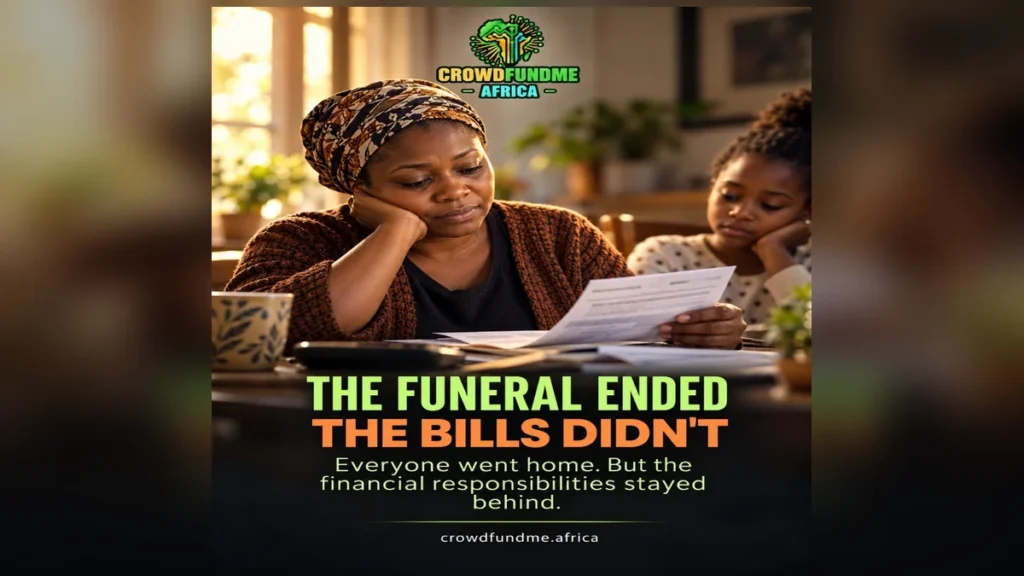
That kindness matters. But after the burial, the family’s needs continue.
Rent still needs to be paid. Children still need meals, school supplies and transport. Electricity bills arrive, and everyday responsibilities carry on in a household that has changed forever.
For a surviving partner, grief can come with a frightening question: How will I keep our family going?
At CrowdfundMe.Africa, we believe conversations about community support must include what happens in the weeks and months after a funeral.
Losing a Partner Can Change an Entire Household
A household depends on much more than the money entering its bank account. It also depends on the time, care and responsibilities shared between its members.
One partner may earn most of the income. Another may look after children, manage household spending or care for an elderly relative. Many couples share these duties around work and family commitments.
When one person dies, the surviving partner may suddenly have to manage all of them.
A parent might need to reduce working hours to care for children. Someone who previously relied on their partner to organise bills may face unfamiliar paperwork. A family business may lose a person whose daily contribution kept it running.
Financial difficulty after bereavement should never automatically be treated as evidence of carelessness. A family can move from stability to uncertainty because someone essential to its everyday life is gone.
The Support Gap After the Funeral
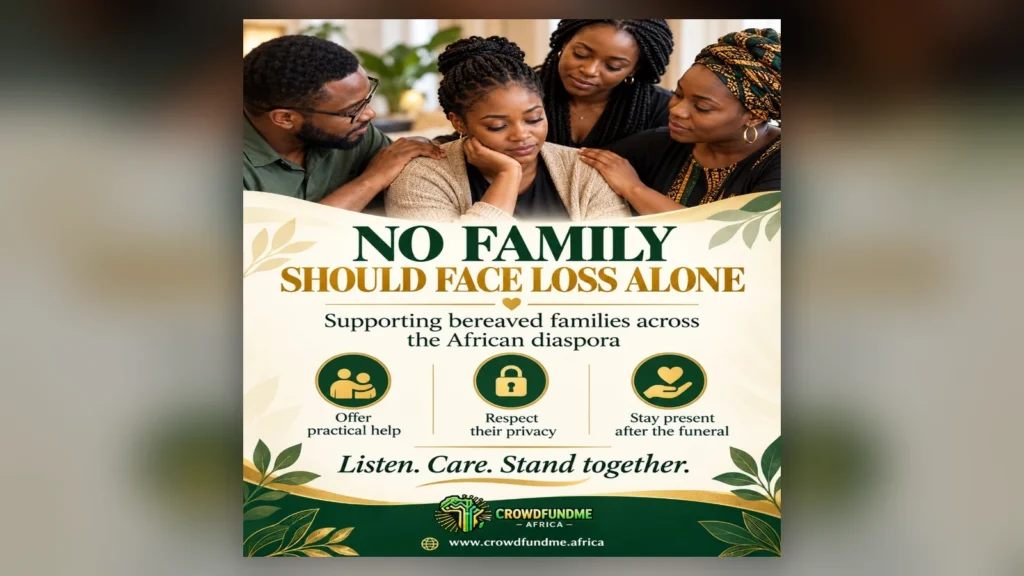
Across African, Caribbean and diaspora communities, coming together during bereavement is an important expression of belonging.
Funeral collections, religious gatherings, community associations and contributions from relatives abroad can provide meaningful relief.
Yet support can become concentrated on the burial itself, leaving less attention for the household afterwards.
A well-attended funeral does not tell us whether the surviving parent can afford next month’s rent. A generous burial contribution does not necessarily cover childcare or help children remain in school.
Alongside asking, “What is needed for the funeral?”, we should also ask:
“What will this family need to get through the coming months?”
That question can help communities plan support around the family’s continuing needs.
Offer Help That Makes Everyday Life Easier
People often say, “Let me know if you need anything.” The intention is kind, but a grieving person may struggle to identify what to ask for or feel uncomfortable asking.
Specific, manageable offers can be easier to accept:
- Deliver a meal on an agreed day.
- Help with school runs or shopping.
- Offer childcare with the parent’s agreement.
- Sit together while organising letters and household paperwork.
- Arrange a regular check-in beyond the first few weeks.
- Contribute towards an agreed essential expense.
Always ask what would be useful. Some families welcome company; others need privacy. Their preferences may also change over time.
Support works best when it gives the bereaved person room to make decisions and regain confidence.
Asking for Help Should Not Carry Shame
A widow or widower may feel pressure to appear strong, particularly when children and relatives depend on them.
They may say they are managing while privately worrying about food, housing or school expenses. Others may fear judgement, unwanted interference or having their circumstances discussed publicly.
Communities can make asking for help easier by listening without criticism and respecting boundaries.
Receiving assistance should never require someone to surrender control of their household, disclose every financial detail or accept decisions made on their behalf.
Where specialist questions arise about inheritance, debts, property or financial arrangements, helping someone access qualified local advice can be a valuable form of support.
Where Community Crowdfunding Can Help
Crowdfunding offers one way for relatives, friends, colleagues and wider networks to organise contributions towards agreed needs.
With the family’s permission, a bereavement appeal could focus on a defined period of support, such as essential household expenses, children’s education or temporary childcare.
A clear purpose helps people understand what they are contributing towards. For example:
“With the family’s consent, we are raising funds towards three months of essential household and school expenses while they adjust to life after their loss.”
The target should reflect a realistic budget, and the organiser should explain who will receive and manage the funds.
Fundraising cannot guarantee that every need will be met. It can, however, give willing supporters a practical way to contribute.
Protect the Family’s Dignity
A family’s grief should be handled with care throughout any appeal.
Before publishing names, photographs or personal details, obtain appropriate permission. Take particular care with information about children, including their schools, addresses and private experiences.
A respectful campaign should:
- Explain the need honestly and without exaggeration.
- Share only information the family is comfortable making public.
- Identify the organiser and intended beneficiary clearly.
- Provide useful updates without exposing private documents.
- Avoid pressuring the family to repeatedly describe their loss.
People should be able to receive help while keeping personal parts of their lives private.
Keep Showing Up
The most meaningful support is often consistent and quiet: a weekly phone call, help with shopping, a contribution towards school supplies or someone who remembers to check in months later.
Community groups, faith organisations, employers and diaspora associations can all help sustain that care.
At CrowdfundMe.Africa, we encourage communities to think beyond the funeral collection and consider the continuing needs of those left behind.
Before organising an appeal, speak with the family. Listen to their priorities, agree on what can be shared and build support around their wishes.
When the funeral is over, a family still has a future to face. Our compassion should continue with them.