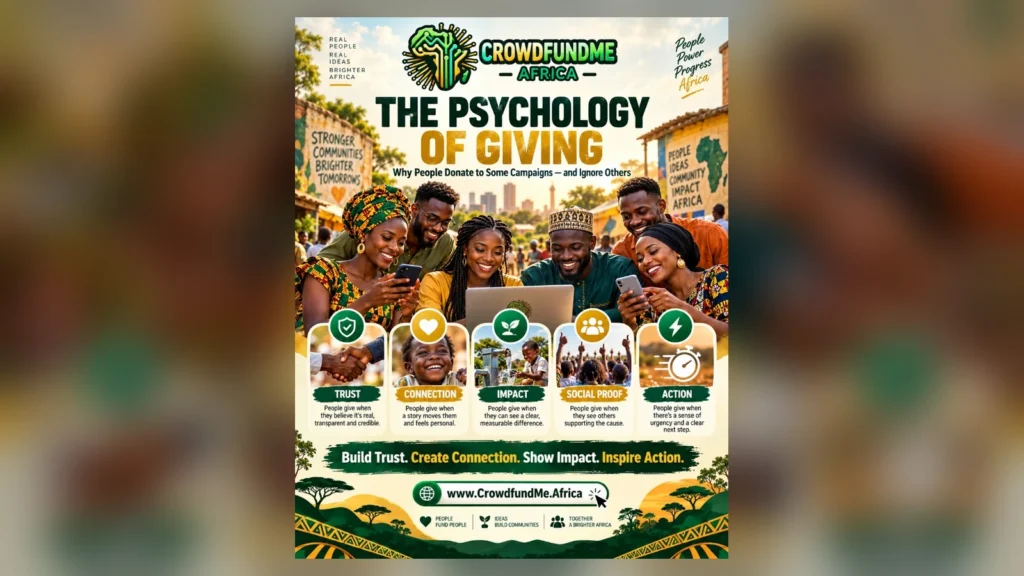
Crowdfunding is not only about money. It is also about human behaviour, trust, emotion, timing, and connection.
Two fundraising campaigns may ask for the same amount of money. One may quickly attract support, while the other receives little attention.
Why does this happen?
The answer often lies in the psychology of giving.
People do not donate simply because a campaign exists. They donate because something about that campaign makes them feel connected, confident, useful, emotionally moved, or personally involved.
For fundraisers on CrowdfundMe.Africa, understanding this psychology can make a significant difference.
People Give When They Feel Emotionally Connected
Most donations begin with an emotional reaction.
A donor may feel:
- Compassion
- Hope
- Concern
- Urgency
- Responsibility
- Identification
- Community spirit
A campaign that simply says:
“Please help me raise money”
is much weaker than a campaign that clearly explains:
who needs help, what happened, why the support matters, and what difference the donation could make.
People usually respond to people, not just numbers.
That is why storytelling matters.
People Give When They Can See a Real Person Behind the Campaign
Donors often respond more strongly when they can identify with a clear individual, family, community, project, or organisation.
A human story is easier to understand than a vague problem.
For example:
“Help support education in Africa”
is broad.
But:
“Help 20 children return to school by providing uniforms, books, and school fees”
is more specific.
The donor can imagine the outcome.
Specificity creates connection.
Trust Is One of the Strongest Drivers of Giving
Before donating, many people ask themselves:
Is this campaign genuine?
Will the money be used properly?
Can I trust the fundraiser?
A campaign can be emotionally powerful but still fail if donors do not trust it.
Trust can be strengthened through:
- Clear campaign information
- Realistic targets
- Good photographs
- Honest explanations
- Transparent budgets
- Regular updates
- Identity or campaign verification
- Previous evidence of community work
If anything looks confusing, exaggerated, or suspicious, many donors will simply move on.
People Give When the Goal Feels Achievable
A fundraising target also affects psychology.
Imagine seeing two campaigns.
Campaign A asks for:
£5,000
Campaign B asks for:
£500,000
If Campaign B gives no explanation, some donors may immediately think:
“My £10 will make no difference.”
This can discourage participation.
A good fundraiser should make the donor feel:
“My contribution matters.”
This can be achieved by setting realistic targets and explaining how smaller amounts contribute to the overall goal.
Small Suggested Amounts Make Giving Feel Easier
Donors are often more comfortable when they see manageable examples.
For instance:
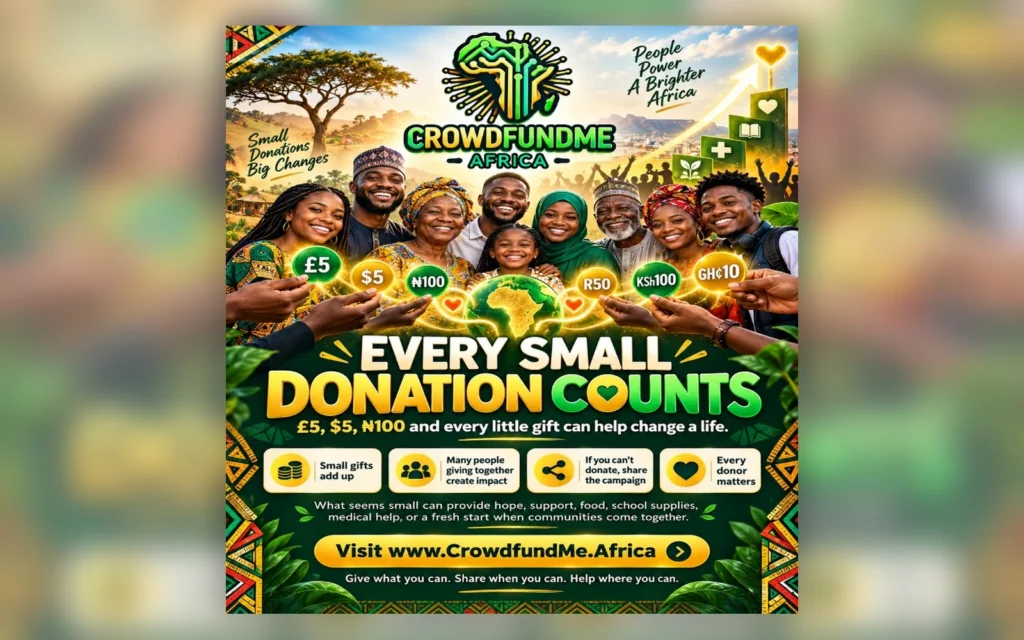
£5 can help contribute towards transport.
£10 can support learning materials.
£25 can help towards essential supplies.
This reduces uncertainty.
The donor no longer has to wonder:
“How much should I give?”
Small suggested amounts make participation feel more accessible.
People Are Influenced by What Others Are Doing
This is known as social proof.
When people see that others are already donating, they may feel more confident.
A campaign showing:
0 donations
can feel uncertain.
A campaign showing:
67 supporters
can feel more credible.
People naturally look at the behaviour of others when making decisions.
This is why early donations are so important.
The first few supporters can create momentum.
People Give When There Is a Sense of Urgency
Urgency encourages action.
A donor may intend to contribute but keep postponing.
A clear deadline can encourage them to act now.
Examples include:
- Medical treatment needed before a certain date
- Tuition deadline approaching
- Emergency accommodation required
- Disaster relief needed immediately
- Matching donation ending soon
But urgency must be genuine.
Fake pressure can destroy trust.
People Give When They Understand the Impact
One of the biggest psychological questions donors ask is:
“What will my money actually do?”
A good campaign answers this clearly.
Instead of saying:
“We need donations for our project.”
say:
“Your support will help provide school materials for children in this community.”
The donor can then connect their money to an outcome.
Impact makes giving feel meaningful.
People Often Ignore Campaigns That Are Too Complicated
Attention online is limited.
If a campaign is confusing, long-winded, or difficult to understand, people may leave.
Your campaign should quickly answer:
- What is happening?
- Who needs help?
- Why now?
- How much is needed?
- What will the money do?
Clarity increases donations.
Confusion reduces them.
People Give More Easily When the Ask Is Personal
A direct, respectful message often performs better than simply posting a link publicly.
Compare:
“Please donate.”
with:
“Hi Sarah, I have launched a campaign to support [cause]. I know you care about this issue, so I wanted to share it personally with you. Any support or sharing would mean a lot.”
The second message feels more human.
Personalisation makes people feel that the fundraiser values them.
People Want to Feel Helpful, Not Pressured
Pressure often creates resistance.
Donors do not like feeling forced, embarrassed, or manipulated.
Avoid messages such as:
“If you really care, you will donate.”
Instead say:
“If you are able to contribute, we would sincerely appreciate your support. If you cannot donate, sharing the campaign would also help.”
This respects the donor's circumstances.
Respect builds goodwill.
People Respond to Hope, Not Only Suffering
Many fundraisers believe they must make their campaign as sad as possible.
But excessive negativity can sometimes overwhelm people.
Hope is powerful too.
A good campaign can explain the problem while also showing:
- What can improve
- What support can achieve
- What the future could look like
- Why the campaign matters
People want to feel that their contribution can create a positive result.
People Are More Likely to Give When the Fundraiser Shows Effort
Donors may hesitate if they feel the fundraiser is doing nothing except asking for money.
Show that you are also contributing.
For example:
- You have already saved part of the money
- Family members are helping
- Volunteers are involved
- The organisation is providing resources
- You are personally coordinating the project
This demonstrates commitment.
People often want to support someone who is already working towards the solution.
Familiarity Matters
People are more likely to support:
someone they know, a cause they understand, an organisation they recognise, or a community they identify with.
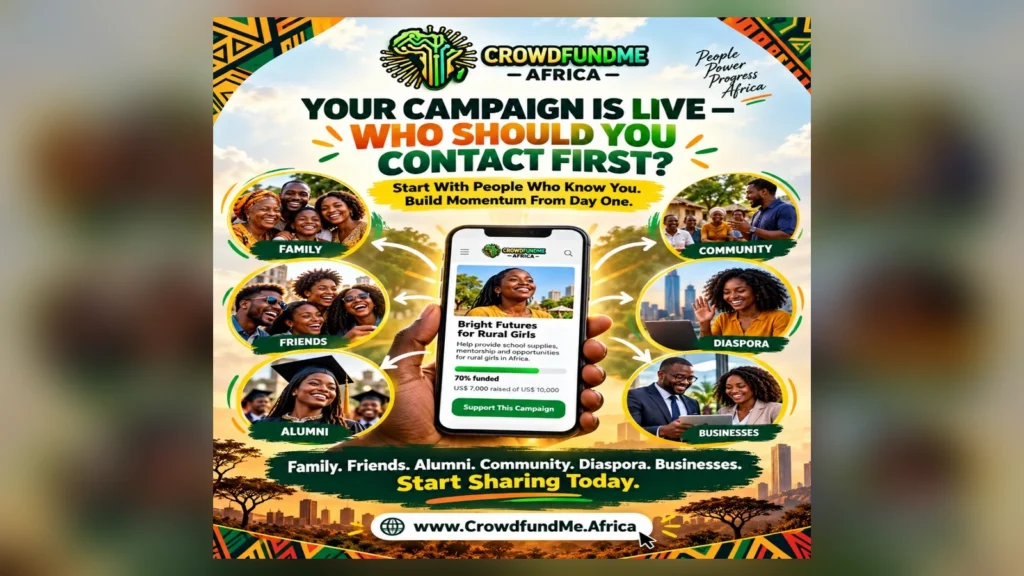
This is why fundraisers should begin with their own network.
Family, friends, colleagues, alumni, faith communities, diaspora contacts, and local organisations already have a relationship with you.
Trust usually begins close to home.
People Give More When the Story Feels Real
Overly polished or exaggerated campaigns can sometimes feel artificial.
Authenticity matters.
A simple, honest story can be more powerful than dramatic language.
Use real information.
Speak naturally.
Explain your situation clearly.
Do not exaggerate.
Donors can often sense when something feels forced.
People Ignore Campaigns When They See No Activity
A campaign that has not been updated for weeks can appear abandoned.
Donors may wonder whether the fundraiser is still active.
Post updates.
Even a simple message such as:
“We have now reached 35% of our goal. Thank you to everyone who has donated and shared.”
shows that the campaign is alive.
Activity creates confidence.
Gratitude Encourages Future Giving
Thanking people is not only polite.
It also affects future behaviour.
People who feel appreciated are more likely to:
- Donate again
- Share the campaign
- Recommend it to others
- Support future projects
A donor relationship should not end immediately after payment.
Gratitude builds community.
Donors Like to Be Part of Something Bigger
Many people give because they want to feel part of positive change.
This is one of the strongest psychological motivations behind crowdfunding.
A campaign should not simply say:
“Give us money.”
It should say:
“Join us.”
“Be part of this.”
“Help us make this possible.”
This turns the donor from an outsider into a participant.
People Give When the Campaign Reflects Their Values
Different donors care about different things.
One person may care deeply about:
education.
Another may care about:
healthcare.
Another may support:
entrepreneurship.
Another may be motivated by:
faith, children, poverty reduction, disability support, environmental projects, or community development.
Fundraisers should understand who their natural audience is.
Do not promote every campaign to everybody in exactly the same way.
Find the people who are most likely to care about the cause.
People May Ignore a Campaign Simply Because They Saw It at the Wrong Time
Sometimes a person does not donate because the campaign is weak.
They may simply be:
busy, distracted, at work, travelling, or waiting until payday.
This is why respectful follow-up matters.
One reminder can often convert an interested supporter into a donor.
Do not assume silence means rejection.
Stories With Progress Can Motivate More Giving
Milestones are psychologically powerful.
For example:
“We are 80% of the way there.”
This can motivate people because the finish line feels close.
Similarly:
“We need just 20 more people to give £10.”
makes the remaining challenge feel manageable.
Break large goals into smaller milestones.
People Trust Numbers They Can Understand
Transparency in numbers matters.
Instead of saying:
“We need £20,000.”
you might show:
Equipment: £8,000
Transport: £3,000
Training: £5,000
Administration: £2,000
Contingency: £2,000
A breakdown makes the target easier to believe.
People are more comfortable giving when they understand the numbers.
Why Some Campaigns Are Ignored
Campaigns are often ignored when they have several of these problems:
- Weak or unclear story
- Unrealistic target
- No trust signals
- No early supporters
- Poor photographs
- No updates
- No clear use of funds
- No sense of urgency
- No personal outreach
- Too much pressure
- No emotional connection
- No visible progress
- No follow-up
- No gratitude
- No active promotion
The important point is this:
Being ignored does not always mean the cause is unimportant.
Sometimes the campaign simply needs to communicate better.
What Fundraisers Can Do Differently
Before launching, ask yourself:
Would I trust this campaign if I were the donor?
Can someone understand the story in 30 seconds?
Does the target make sense?
Can donors see what their money will achieve?
Do I have early supporters ready?
Am I communicating hope as well as need?
Will I provide updates?
Will I thank donors?
These questions can significantly improve your campaign.
Crowdfunding Is About Human Connection
Technology makes crowdfunding possible.
But psychology makes people participate.
People give when they feel:
connected.
trusted.
useful.
hopeful.
involved.
A successful fundraiser understands that donors are not simply numbers.
They are people making personal decisions with their own emotions, values, responsibilities, and concerns.
If you understand that, your fundraising message becomes more respectful and more effective.
At CrowdfundMe.Africa, the goal should never be to pressure people into giving.
The goal is to help fundraisers tell genuine stories clearly, build trust, and invite people to become part of meaningful causes.
Tell the truth.
Build trust.
Show the impact.
Make people feel included.
Thank every supporter.
Because people do not simply donate to campaigns.
They donate to people, stories, causes, and possibilities they believe in.
CrowdfundMe.Africa
Helping Africa Fund Africa — with support from the world.
Visit: www.CrowdfundMe.Africa