Donation crowdfunding can be a powerful way to raise money for personal needs, community projects, medical support, education, charities, emergencies and social causes. But successful fundraising usually requires more than simply creating a campaign and sharing a link.
A clearer fundraising journey begins with planning, trust, communication and consistent promotion.
1. Start With a Clear Fundraising Goal
Before launching your campaign, clearly explain:
- What you are raising money for
- Why the funding is needed
- How much you need to raise
- How the money will be used
- Who will benefit from the campaign
People are more likely to support a fundraiser when they understand exactly what their donation will help accomplish.
Instead of simply saying, “Please support my project,” explain the specific impact.
For example:
“£5,000 will help us purchase school materials for 200 children and provide learning resources for one academic year.”
Specific goals can make a campaign easier to understand and trust.
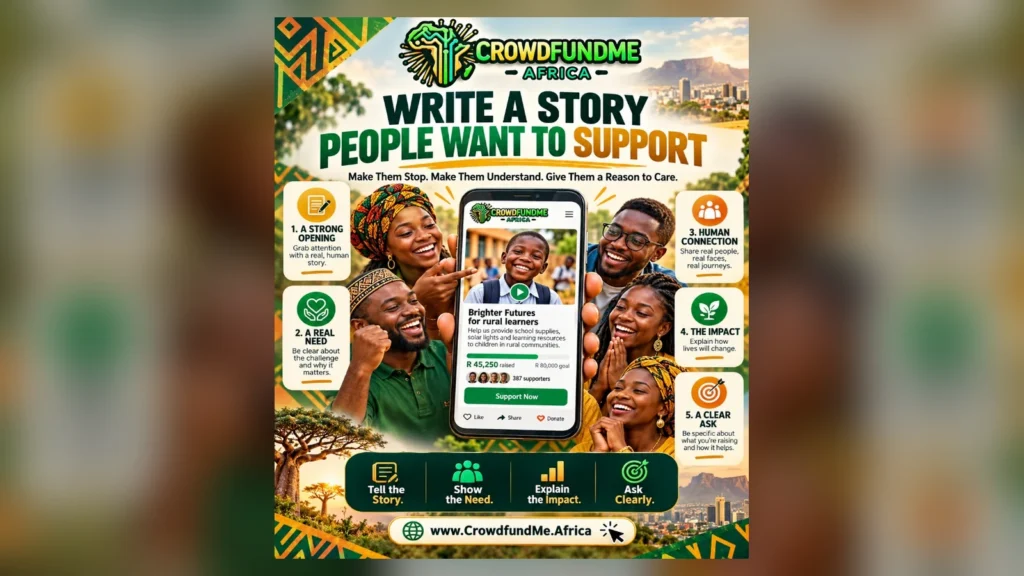
2. Tell a Genuine and Compelling Story
People often connect with people before they connect with projects.
Your crowdfunding story should explain the situation clearly and honestly. Introduce yourself or the organisation behind the campaign, describe the challenge and explain why the campaign matters.
A strong fundraising story should answer three questions:
What is happening?
Explain the problem or opportunity.
Why does it matter?
Show how individuals, families or communities are affected.
What can donors help achieve?
Explain what their contribution could make possible.
Use simple and emotional language without exaggerating the situation.
3. Use Photos and Videos
Visual storytelling can make a fundraising campaign more personal.
Consider including:
- Photos of the people or community involved
- Images of the project
- A short introduction video
- Progress videos
- Testimonials from beneficiaries or supporters
A short video explaining the campaign can help potential donors understand your mission quickly.
4. Be Transparent About the Money
Trust is extremely important in donation crowdfunding.
Clearly explain how donations will be spent.
For example:
Campaign target: £10,000
- £4,000 – equipment
- £2,500 – transportation
- £2,000 – training and materials
- £1,000 – administration
- £500 – communication and campaign expenses
Providing a simple breakdown helps donors understand where their money is going.
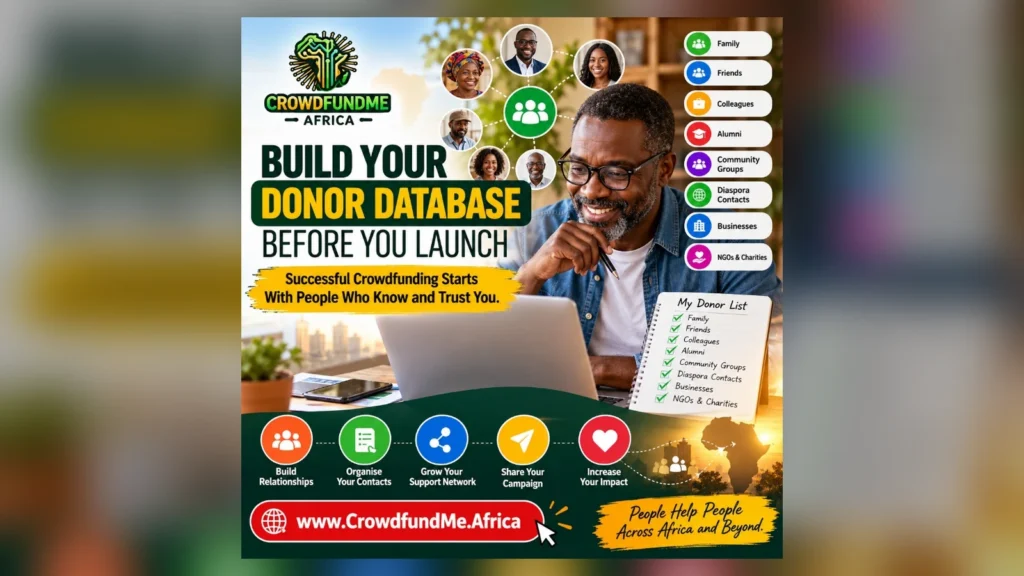
5. Begin With Your Existing Network
Your first supporters will often come from people who already know you.
Start by sharing the campaign with:
- Family
- Friends
- Colleagues
- Community groups
- Religious organisations
- Alumni networks
- Professional associations
- Diaspora communities
- Your WhatsApp Groups
- Your Social Media Followers on your Page
Early donations can help demonstrate that other people already believe in the campaign.
6. Promote Your Campaign Consistently
Do not share your crowdfunding campaign once and expect people to remember it.
Create a communication plan for platforms such as:
- TikTok
- X
Share different types of content rather than repeating the same message.
For example, you could share the campaign story one day, a beneficiary story another day and a progress update later in the week.
7. Make Your Donation Request Specific
Sometimes people support a campaign simply because somebody clearly asked them.
Instead of writing:
“Please support us.”
Try:
“Please consider donating £10, £20 or whatever you can afford. If you cannot donate today, sharing this campaign with your network can also make a difference.”
This gives supporters more than one way to participate.
8. Keep Donors Updated
Fundraising should not end when someone makes a donation.
Campaign organisers should regularly provide updates about:
- Fundraising milestones
- Project developments
- New supporters
- Challenges
- Campaign achievements
For example:
“We have now raised 60% of our target. Thank you to everyone who has donated and shared our campaign.”
Regular communication helps build a community around the campaign.
9. Thank Your Supporters
Every contribution matters.
Thank donors whenever possible and recognise people who help promote the campaign.
A simple message such as:
“Thank you for believing in this project. Your support is helping us move one step closer to our goal.”
can help supporters feel connected to the impact they are helping to create.
10. Show the Impact After Fundraising
One of the most important parts of crowdfunding happens after the money has been raised.
Show donors what happened next.
Share:
- Photos
- Videos
- Receipts or expenditure summaries where appropriate
- Project updates
- Beneficiary stories
- Results achieved
For example:
“Because of your support, 150 students received new educational materials this term.”
Impact reporting builds trust and can make supporters more willing to support future campaigns.
11. Encourage Sharing as Well as Donating
Not everybody who discovers a campaign will be able to contribute financially.
However, they may still help by sharing the campaign.
One person sharing your fundraiser could introduce it to dozens or even hundreds of potential supporters.
Every campaign should therefore include a simple request:
Donate if you can. Share if you cannot. Both forms of support matter.
Creating a Better Fundraising Journey
Successful donation crowdfunding is ultimately about building trust between fundraisers and supporters.
A strong campaign combines a meaningful story, a realistic fundraising goal, transparency, regular communication and active promotion.
For African entrepreneurs, families, charities, community organisations and social-impact projects, crowdfunding can also connect local ideas with supporters across Africa and the global diaspora.
CrowdfundMe.Africa aims to help African causes and communities tell their stories, reach supporters and turn collective generosity into meaningful impact.
Ready to Start Your Fundraising Journey?
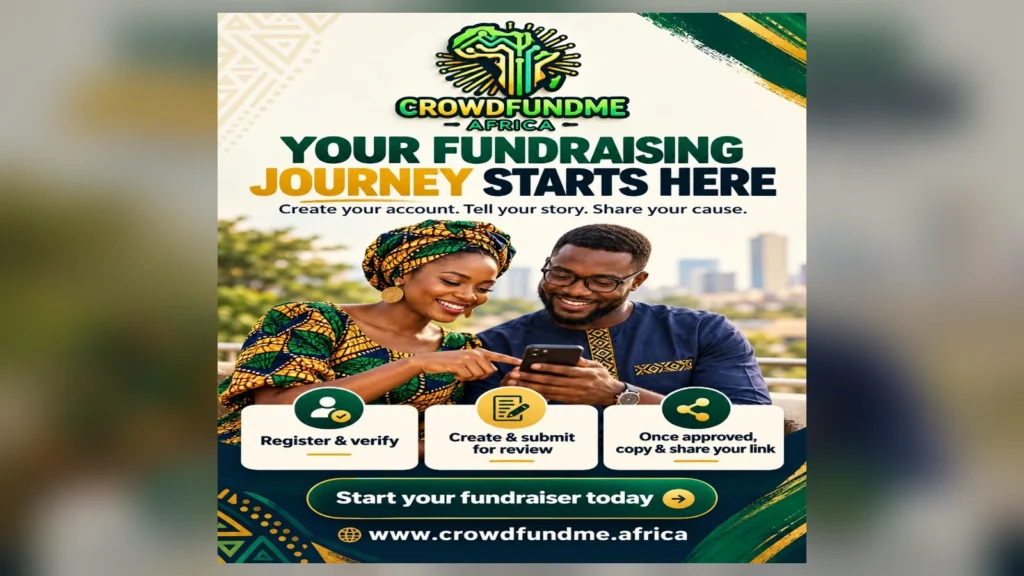
Create your campaign, tell your story and invite your community to become part of the change.
Start fundraising with CrowdfundMe.Africa.