Campaign reviewedApproved by Crowdfundme before publication.
The story
Why this fundraiser matters
Supporting People Living with Epilepsy in Rural Tanzania
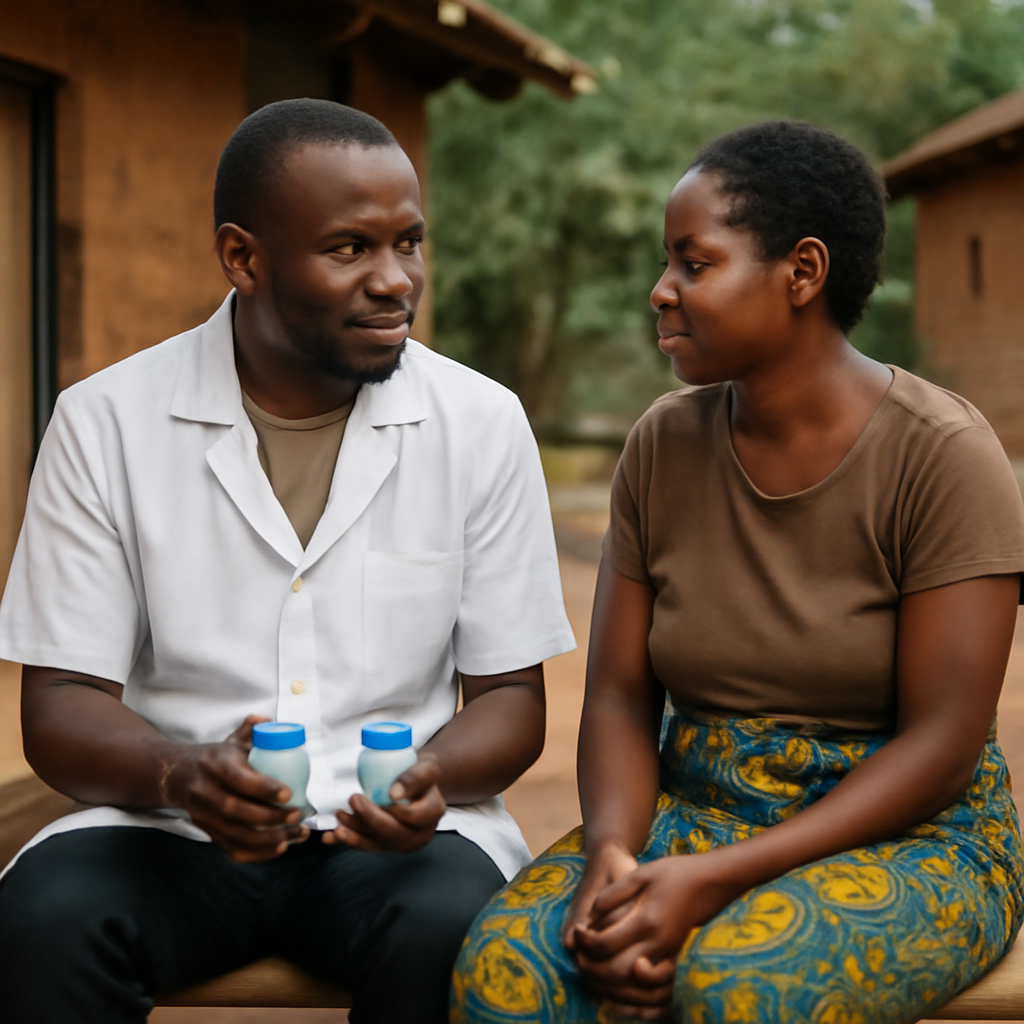
I'm Kornelio Y.N., a pharmaceutical technician in a rural part of Tanzania. I work on my own, without the backing of a large organization. Right now I help 11 people with epilepsy in my village, and I pay for all of it out of my own pocket.
What I Do
I don't diagnose epilepsy or prescribe treatment. Everyone I help has already seen a doctor and been given a treatment plan. My job is to help them keep to that plan, get their medicines, and receive proper follow-up. My pharmaceutical training lets me do this responsibly, and I stay in close contact with doctors.
Keeping Medicine Affordable
For many rural families, the price of epilepsy medicine is the biggest obstacle. Bought in bulk at wholesale prices, treatment can be quite cheap, but families who buy small amounts from retail pharmacies often pay much more.
Based on the medicines used by the people I support, the approximate wholesale cost per month is:
Adults on Phenobarbital: about $1.32
Adults on Carbamazepine: about $1.15
Children on Phenobarbital: about $0.70–$1.00
Children on Carbamazepine: about $0.60–$1.50
These are rough figures. The real cost depends on the patient's age, dose, medicine, supplier, and what is available.
Retail prices are roughly:
Adult Phenobarbital: $3 per month
Adult Carbamazepine: $2.10 per month
Children: around $1 per month or more, depending on medicine and dose
This gap matters. Buying in bulk means each donation goes further and more people can stay on their treatment.
Follow-Up
Medicine alone isn't enough. I check in regularly with the people I support to make sure they are still taking their medication. If someone gets worse or develops new symptoms, I talk to a doctor or send them back to a health facility. I also urge patients to attend the medical reviews and check-ups their providers recommend.
Education That Saves Lives
In some rural communities, epilepsy is still poorly understood. Some people think seizures come from curses or evil spirits, and some families are told to use traditional or herbal remedies instead of medicine. Beliefs like these can lead people to stop treatment or put off seeing a doctor.
I talk with patients, parents, relatives, and neighbors about what epilepsy is, why medical treatment matters, and why medication should never be stopped without a doctor's advice. Beyond providing medicine, I want to improve understanding and break down harmful myths.
How Your Donation Will Help
I'm trying to grow from helping a few people on my own into a more organized, lasting initiative. My first priorities are to:
Register and officially establish the organization
Buy epilepsy medicines at wholesale prices
Reach more people living with epilepsy
Expand follow-up and community education
Build a sustainable system to continue the work
About $100 is needed to cover the initial registration and setup.
What $1,000 Could Do
A $1,000 donation dedicated to medication could fund roughly 770–1,000 patient-months of treatment, depending on the medicine, the patient's age, and the dose. Rather than helping a few people for a short time, it could keep many people on treatment for months.
First-Year Goal: $10,000
I hope to raise $10,000 in the first year so that this work no longer depends entirely on my own income. The money would go toward:
Registration (about $100): making the initiative official and laying the groundwork for future fundraising and partnerships.
Medication: buying medicines at lower wholesale prices for patients who struggle to pay.
Wider support: reaching more people with epilepsy who can't afford treatment.
Follow-up and education: strengthening patient check-ins and teaching communities why staying on prescribed treatment matters.
Why I'm Asking for Help
I've been covering these costs myself, but as more people need help, I can't keep doing it alone.
My vision is simple: no one with epilepsy should have to stop treatment just because they can't afford their medicine.
Even a small gift can help someone stay on treatment. A larger one lets us support more patients, buy at lower prices, establish the organization, and build something that lasts.
Thank you for reading my story and for considering support for people living with epilepsy in rural Tanzania. Every contribution matters, and so does every person we help.